







Work Visa Germany: Requirements & Application Process

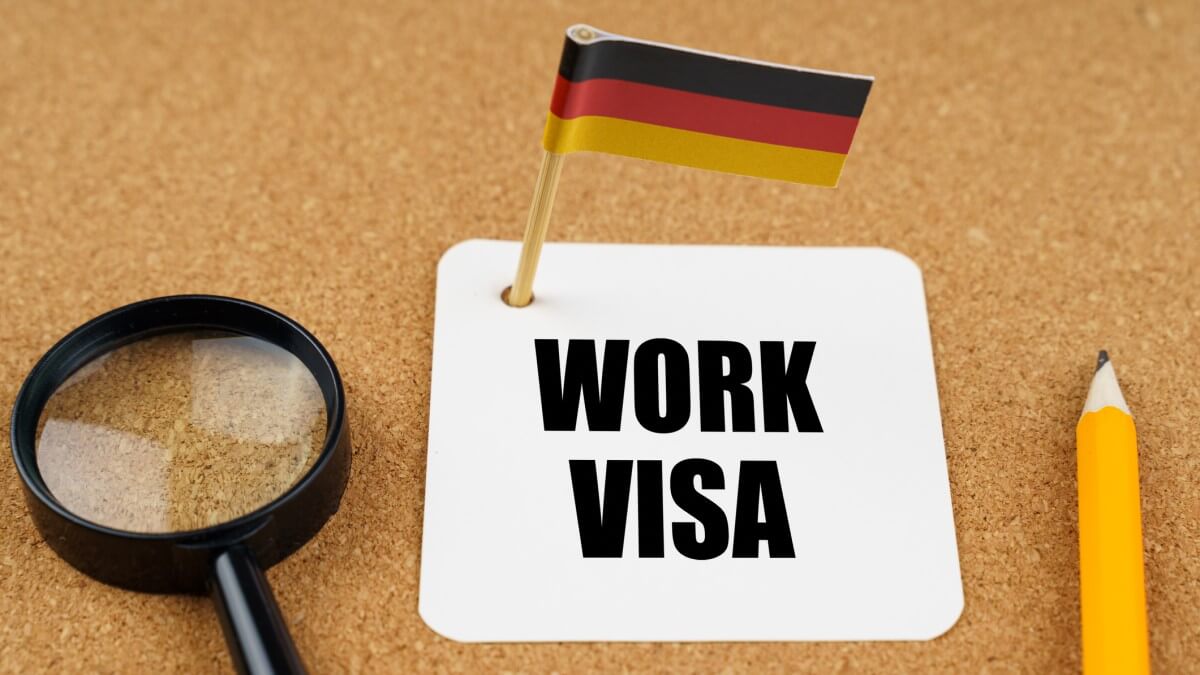
Germany is the economic powerhouse of Europe, and in 2026, its demand for international talent has reached an all-time high. To combat labor shortages, the German government has streamlined the Work Visa Germany process, introducing points-based systems and lowering salary thresholds for high-demand sectors.
Whether you are a software engineer from India, a nurse from the Philippines, or an artisan from Turkey, this 2,000-word guide provides the essential roadmap to securing your legal right to work in Germany.
1. Understanding the Main Work Visa Categories
In 2026, the German immigration system is categorized by your level of qualification and the nature of your job offer.
A. The EU Blue Card (Section 18g AufenthG)
The "gold standard" for highly qualified academics.
- Requirements: A university degree and a job offer with a specific minimum salary.
- 2026 Salary Thresholds: For most professions, the gross annual salary must be around €45,000. For shortage occupations (IT, STEM, Medicine), it is lower, approximately €41,000.
- Key Advantage: Fastest route to Permanent Residency (21–27 months) and easy family reunification.
B. Skilled Worker Visa (Section 18a/18b)
For those with recognized vocational training or university degrees.
- Requirements: Your qualification must be officially recognized in Germany (Anerkennung).
- 2026 Update: You are no longer restricted to working only in a field directly related to your degree (except for regulated professions like law or medicine).
C. The Opportunity Card (Chancenkarte)
Launched to allow job-seekers to enter Germany before securing a contract.
- Points System: Based on age, language skills (German/English), experience, and ties to Germany.
- Right to Work: You can work up to 20 hours per week in any job while searching for full-time professional employment.
D. ICT Card (Intra-Corporate Transfer)
For managers or specialists being transferred from a company branch outside the EU to a branch within Germany.
2. Step 1: The Recognition of Qualifications (Anerkennung)
Before applying for a Work Visa Germany, your non-German degree or certificate must be validated. This is often the longest part of the process.
- For Academics: Check the Anabin database. If your university is listed as H+ and your degree is equivalent, you simply print the result.
- For Vocational Training: You must apply for a formal Statement of Comparability from the ZAB (Central Office for Foreign Education).
- Regulated Professions: Doctors, nurses, teachers, and engineers must undergo a full recognition process by the specific state authority (Approbation or Zulassung).
3. Step 2: Finding a Job and The Work Contract
To apply for most work visas, you need a signed employment contract. In 2026, the German Federal Employment Agency (Bundesagentur für Arbeit) must usually approve the employment.
Critical Document: The employer must fill out the "Erklärung zum Beschäftigungsverhältnis" (Declaration of Employment). This form details your salary, working hours, and job description, ensuring they meet German labor standards.
4. Step 3: The Visa Application Process
Once you have your contract and recognition, follow these steps:
1. Book an Appointment
Appointments at German Embassies or Consulates are in high demand. Use the official scheduling system early.
2. Prepare the Document Bundle
German authorities favor physical, organized paper files. You will typically need:
- Two completed application forms.
- A valid passport (valid for at least 12 months).
- Signed employment contract.
- Proof of qualification (with German translation).
- Health Insurance: You need "incoming" insurance until your statutory German insurance begins.
- Biometric photos.
3. The Interview
At the consulate, you will submit your biometrics and answer questions about your role. The processing time can range from 2 weeks to 3 months.
5. Step 4: Arrival and the Residence Permit
The visa in your passport is usually valid for 3–6 months. Upon arrival in Germany:
- Register your Address (Anmeldung): Visit the local Bürgeramt within 14 days.
- Apply for the Electronic Residence Title (eAT): Visit the Ausländerbehörde to convert your visa into a long-term residence card.
6. Financial Requirements and Costs
| Item | Estimated Cost (2026) |
| Visa Fee | €75 |
| Translation/Notary | €200 - €500 |
| ZAB Recognition | €200 |
| Initial Living Costs | Min. €1,000/month (Self-funded for job seekers) |
7. Common Pitfalls to Avoid
- Incomplete Documents: If a single form is missing, the embassy may reject the file immediately, losing you months of time.
- Salary Discrepancies: Ensure your gross salary meets the specific threshold for your visa type. If it is €100 short,the visa will be denied.
- Health Insurance Gaps: You must be covered from the moment you land until your first day of work.
8. Summary Checklist for Success
- Degree/Vocational Certificate recognized via Anabin or ZAB.
- Signed contract from a German employer.
- Completed "Declaration of Employment" from the employer.
- Appointment booked at the German Consulate.
- Professional German/English translations of all non-German documents.
Securing a Work Visa Germany in 2026 is a highly structured process that rewards preparation and precision. While the bureaucracy can be intimidating, the reward is a career in one of the world's most stable and innovative economies. By following this guide, you ensure that your application is built on a solid legal foundation.