



Poland Work Visa for Non-EU Citizens: Complete Guide

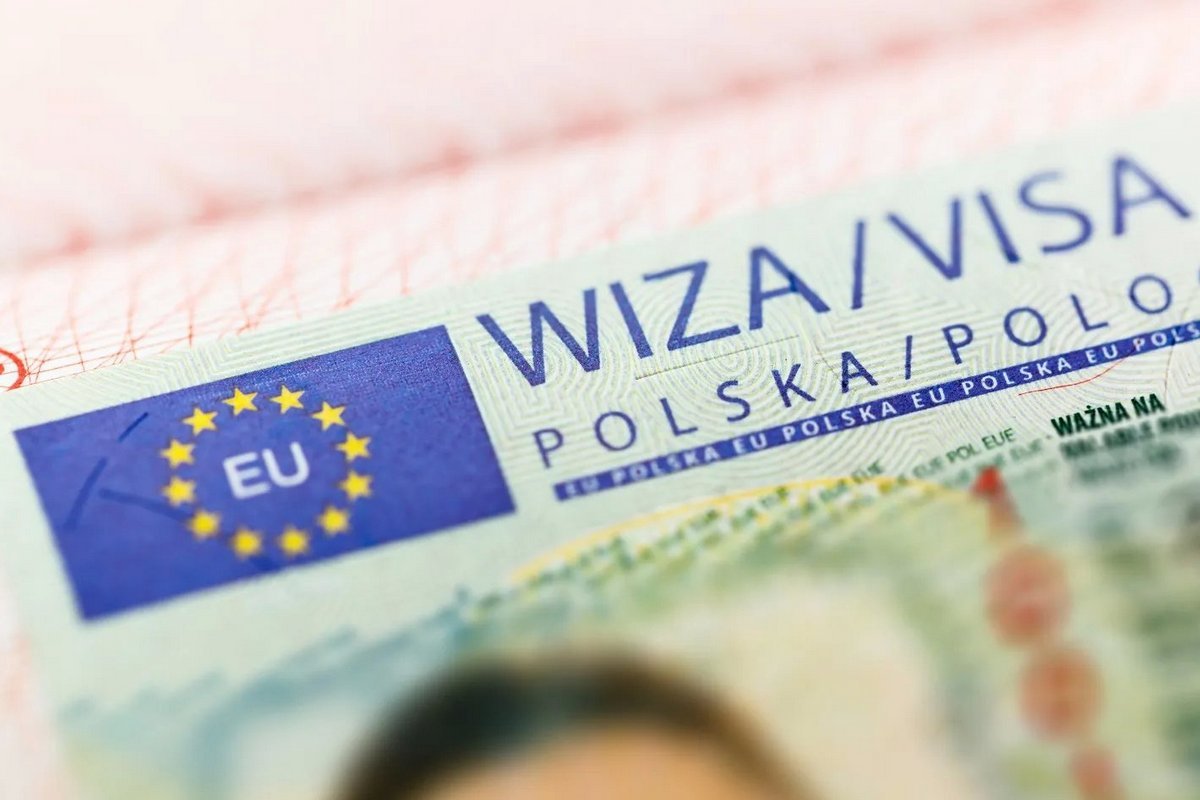
Securing a work visa for Poland is a two-step legal process: first, your employer obtains a Work Permit from the local Voivodeship (Urząd Wojewódzki) in Poland; second, you apply for a National D-type Visa at a Polish consulate in your home country.
1. Understanding the Permit Types (A vs. B)
Before you begin, you must know which permit your employer is applying for, as this dictates your legal status in the country.
Type A Work Permit: Standard Employment
The Type A permit is the most common. It is used when a non-EU citizen is hired directly by a Polish company under a local employment contract (Umowa o pracę).
- Criteria: You work for a Polish entity with an office in Poland.
- Duration: Usually issued for up to 3 years, though it can be renewed.
- Constraint: The permit is tied to a specific employer, position, and salary. If you change jobs, you must obtain a new permit.
Type B Work Permit: Managerial Roles
The Type B permit is designed specifically for high-level management.
- Criteria: It applies to foreign nationals serving as members of a management board or acting as a general partner in a Polish company.
- Requirement: The individual must stay in Poland for a total of more than 6 months within a 12-month period to require this specific permit.
2. 🇮🇳 For Indian Applicants
India is one of the largest sources of skilled labor for Poland's IT and manufacturing sectors. The process in India is managed through VFS Global.
The VFS Global Process
- Appointment Booking: You must book an appointment via the VFS Global Poland portal.
- Relocation Alert: Note that the New Delhi Visa Application Centre relocated on January 19, 2026. Ensure you check the latest address on your appointment letter.
- Biometrics: All applicants must provide fingerprints and a digital photo during their VFS appointment.
Document Checklist for India
- Work Permit Original: You must present the original Type A or B permit sent by your employer.
- MEA Apostille: Your educational and professional certificates should be apostilled by the Ministry of External Affairs (MEA).
- Proof of Solvency: Last 3 months of personal bank statements.
- Insurance: Travel Medical Insurance (TMI) with a minimum coverage of €30,000, valid for the entire duration of the visa.
3. 🇳🇬 For Nigerian Applicants
Nigerian applicants must apply through the Embassy of the Republic of Poland in Abuja.
The e-Konsulat System
Unlike India, Nigeria primarily uses the e-Konsulat system for registration.
- Registration: You must register your application at secure2.e-konsulat.gov.pl.
- Draw System: Due to high demand, the Embassy often uses a randomized "draw" system for visa appointments. Once your name is drawn, you will receive an email with your appointment date.
Specific Nigerian Requirements
- Police Clearance: A character certificate from the Nigerian Police Force is highly recommended.
- Verification Fee: In 2026, the Embassy may require a verification fee to authenticate Nigerian academic and civil documents through local legal channels.
- No Intermediaries: The Embassy in Abuja explicitly states they do not cooperate with visa agents. Use of "intermediaries" can lead to visa rejection.
4. 2026 Financial Requirements & Fees
The Polish government has updated its financial thresholds to reflect the cost of living.
Visa and Permit Fees
- Visa Fee: Approximately €90–€200 (depending on the consulate and currency exchange).
- Work Permit Fee (Paid by Employer): Up to 3 months: 200 PLN
- More than 3 months: 400 PLN
Minimum Funds for Stay
Unless the employer explicitly states they cover all costs (including return), you must prove you have:
- 75 PLN per day of stay (minimum 300 PLN total).
- 2,500 PLN for a return trip (for non-neighboring countries like India and Nigeria).
- Cost of accommodation: Proof of rental agreement or a letter from the employer.
5. Timeline and Digitalization in 2026
- Work Permit Approval: 30 to 60 days.
- Visa Processing: 15 to 30 days once submitted at the consulate.
- Digitalization: Starting in 2026, Poland has begun moving toward the Case Management Module (MOS), allowing more parts of the residence permit process to be handled online once you arrive in Poland.