



How to Immigrate to Netherlands: Complete Guide
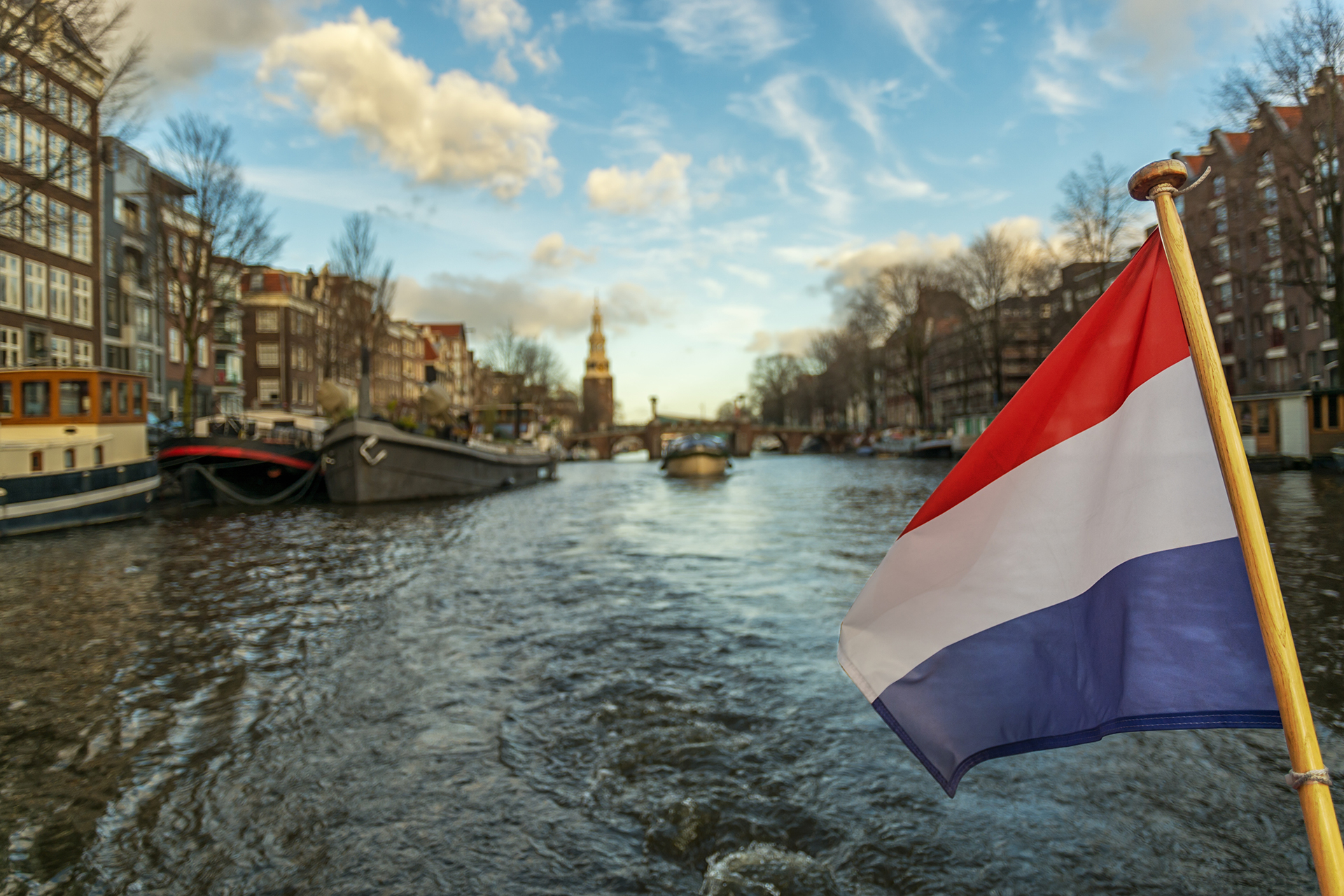
The Netherlands is consistently ranked as one of the best countries in the world for work-life balance, child happiness,and economic stability. With its "polder model" of consensus-driven politics and a highly international workforce, it has become a top destination for global talent.
However, moving to the land of tulips and windmills involves navigating a strict immigration system managed by the IND (Immigration and Naturalisation Service). In 2026, the process has become increasingly digital, yet the housing crisis and specific income requirements remain significant hurdles. This 2,000-word guide provides the clarity you need to make your Dutch dream a reality.
1. Choosing Your Legal Pathway
To immigrate to the Netherlands as a non-EU/EEA citizen, you must have a specific "purpose of stay." Here are the primary visas (MVV and Residence Permits) used in 2026:
A. The Highly Skilled Migrant (Kennismigrant)
This is the most popular route for professionals.
- The Catch: You cannot apply for this yourself. You must be hired by a Dutch employer who is a "Recognized Sponsor" by the IND.
- 2026 Salary Thresholds: * Age 30+: ~€5,500 gross/month.
- Under Age 30: ~€4,000 gross/month.
- Orientation Year graduates: ~€2,800 gross/month.
B. The EU Blue Card
An alternative for highly qualified workers with high salaries.
- Benefit: Easier accumulation of years toward permanent residency if you move between EU countries.
- Requirement: A higher salary threshold than the standard migrant visa and a recognized degree.
C. The Orientation Year (Zoekjaar)
If you graduated from a top-200 global university in the last 3 years, you can move to the Netherlands for one year to find a job without needing an initial sponsor.
D. The DAFT Treaty (For US Citizens)
The Dutch-American Friendship Treaty allows US entrepreneurs to start a business in the Netherlands with a relatively low investment (minimum €4,500).
2. Step-by-Step Immigration Process
Step 1: Secure a Sponsor or Job
For 90% of immigrants, the process starts with a job contract. Ensure your employer is on the IND's Public Register of Recognized Sponsors.
Step 2: The MVV (Entry Visa)
Before moving, you apply for an MVV at the Dutch Embassy in your home country. This allows you to enter for more than 90 days.
- Note: Citizens of USA, Canada, Japan, Australia, and South Korea are exempt from the MVV.
Step 3: Arrival and the BSN
Once you land, the first priority is getting your BSN (Burgerservicenummer). You get this by registering at the local Town Hall (Gemeente). You cannot open a bank account, get health insurance, or receive a salary without it.
3. The 30% Tax Ruling: A Critical Advantage
If you are recruited from abroad and meet the salary criteria, you may qualify for the 30% Ruling.
- The Benefit: 30% of your gross salary is tax-free for five years.
- 2026 Update: Ensure your contract specifically mentions the intent to apply for this ruling, as it significantly increases your take-home pay.
4. The Housing Crisis: Reality Check
The biggest obstacle to immigrating to the Netherlands in 2026 is the housing shortage.
- Rental Market: In cities like Amsterdam, Utrecht, and Eindhoven, demand exceeds supply by 10x.
- Requirements: Landlords usually require you to earn 3x to 4x the rent in gross monthly income.
- Advice: Look for housing in "satellite cities" like Almere (near Amsterdam), Tilburg, or Dordrecht.
5. Cost of Living and Integration
Healthcare
Dutch healthcare is private but mandatory. You must take out a policy within 4 months of arrival.
- Cost: ~€140–€160 per month.
- The "Eigen Risico": The first €385 of medical costs (per year) are paid by you.
Language
While 95% of Dutch people speak English, learning Dutch is essential for long-term integration and is mandatory for Permanent Residency (the Inburgering exam).
6. Document Checklist (2026 Standard)
- Apostilled Birth Certificate: Essential for Gemeente registration.
- Marriage Certificate: If moving with a partner.
- Work Contract: Signed by a recognized sponsor.
- Proof of Education: Diplomas (Nuffic evaluation may be required).
7. Permanent Residency and Citizenship
After 5 years of continuous residence, you can apply for:
- Permanent Residency: Allows you to stay indefinitely and work freely.
- Dutch Citizenship: Requires you to renounce your original citizenship (with some exceptions, such as marriage to a Dutch citizen).