








How to Get a Residence Permit in Germany 2026

Securing a residence permit in Germany is the definitive step in transforming your dream of living in Europe into a legal reality. Unlike a visa, which grants you entry, a residence permit (Aufenthaltstitel) allows you to stay, work, study, and integrate into German society for the long term.
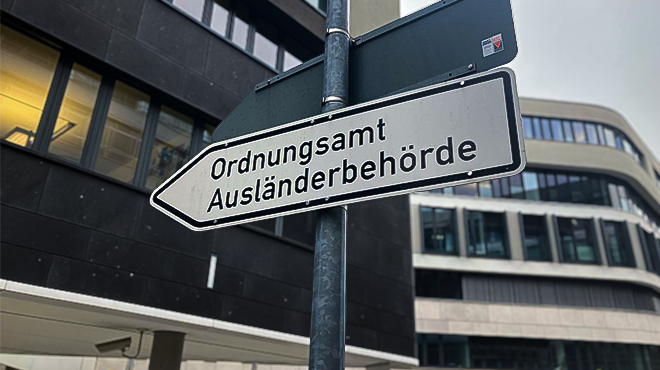
As of 2026, Germany has streamlined its immigration laws via the "Skilled Immigration Act" and digitized many local Ausländerbehörde (Foreigners' Authority) processes. This 2,000-word guide breaks down everything you need to know about the 2026 requirements, application steps, and legal categories.
1. Visa vs. Residence Permit: The Critical Difference
Many newcomers confuse these two terms.
- The Entry Visa (Type D): This is what you apply for at a German Embassy in your home country. It is usually valid for 3 to 6 months.
- The Residence Permit (Aufenthaltstitel): Once you arrive in Germany with your Type D visa, you must convert it into a residence permit at your local immigration office before the visa expires.
Note: Citizens of privileged nations (e.g., USA, Canada, Australia, Israel, Japan, South Korea) can enter Germany without a visa and apply for their residence permit directly within 90 days.
2. Most Popular Residence Permit Categories in 2026
To get a permit, you must have a "purpose of stay." Here are the primary categories:
A. The EU Blue Card (Section 18g AufenthG)
The most coveted permit for high-skilled academics.
- 2026 Update: The salary threshold has been lowered to make it more accessible. For shortage occupations (IT, healthcare, engineering), the gross annual salary requirement is approximately €41,000 - €45,000.
- Benefit: Fast-track to permanent residency (PR) in as little as 21 months if you reach B1 German level.
B. Skilled Worker Permit (Section 18a/18b)
For those with a university degree or recognized vocational training.
- Requirement: Your job offer must match your qualification.
- 2026 Change: You can now work in any professional field if you have a degree, even if it doesn't strictly match your diploma (except for regulated professions like medicine).
C. The Opportunity Card (Chancenkarte)
Launched to allow job-seekers to live in Germany for up to one year while looking for work.
- Requirements: A points-based system (age, language, experience) or a recognized foreign degree.
- Working Rights: You can work part-time (20 hours/week) while searching for a full-time role.
D. Study and Language Course Permits (Section 16b/f)
- Requirements: Admission to a German university and a Blocked Account (Sperrkonto) with at least €11,900(2026 rate).
3. Step-by-Step Application Process in Germany
Once you land in Germany, follow this exact sequence to avoid legal complications.
Step 1: Address Registration (Anmeldung)
You cannot apply for a residence permit without an address. Once you find a place, get a Wohnungsgeberbestätigung(landlord confirmation) and register at the Bürgeramt. You will receive a registration certificate (Meldebescheinigung).
Step 2: Health Insurance Setup
You must switch from your "Travel Insurance" to a long-term German health insurance provider (Public/Statutory like TK/AOK or private).
Step 3: Booking the Appointment (Termin)
This is the hardest part. In cities like Berlin, Munich, or Hamburg, appointments at the Ausländerbehörde are booked months in advance.
- Pro Tip: If your visa is expiring and you haven't secured an appointment, an online "Application for Extension" often triggers a Fiktionsbescheinigung (temporary permit) which keeps your stay legal.
Step 4: The Interview and Biometrics
At the appointment, an officer will review your original documents and take your fingerprints. The physical card (eAT) is produced at the Federal Printing Office in Berlin.
4. Required Document Checklist (The 2026 Standard)
Ensure every document is in German or has a certified translation:
- Valid Passport (must not expire within the next 6-12 months).
- Current Registration (Meldebescheinigung).
- Proof of Health Insurance.
- Employment Contract and the "Erklärung zum Beschäftigungsverhältnis" form.
- Biometric Photo (compliant with German standards).
- University/Vocational Degree (with Anabin or ZAB recognition).
- Proof of Subsistence (Bank statements or salary slips).
5. From Temporary to Permanent Residency (Settlement Permit)
A temporary residence permit is usually granted for 1 to 4 years. The goal for many is the Settlement Permit (Niederlassungserlaubnis), which has no expiry date.
| Category | Time Required for PR | German Language Requirement |
| EU Blue Card | 21 - 27 Months | B1 or A1 |
| Skilled Worker | 3 - 5 Years | B1 |
| Graduates of German Uni | 2 Years | B1 |
6. Common Obstacles and How to Avoid Them
- The "Matching" Rule: If you are on a work permit, your job must be "qualified." Working in a low-skilled role (e.g., delivery) while on a Skilled Worker permit can lead to revocation.
- Insufficient Living Space: Germany requires a minimum square footage per person (usually ~12sqm per adult). If your apartment is too small, the permit may be denied.
- The Recognition Trap: Do not wait until you arrive to check your degree. Use the Anabin database or apply for a ZAB statement months before your move.
7. The Digital Era: The Electronic Residence Title (eAT)
In 2026, your permit is a plastic card with a chip. This card also serves as your digital ID for government services (Online-Ausweisfunktion). Always carry your passport alongside the eAT when traveling within the Schengen area.
How to Get a Residence Permit in Germany 2026 | Full Guide.