










Germany Visa Application Guide for Non-EU Citizens

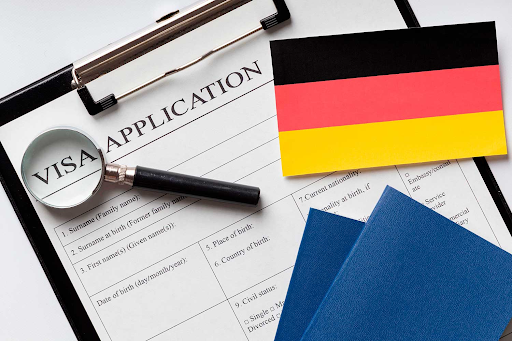
Moving to Germany as a non-EU citizen is a dream for many, offering access to a robust economy, world-class healthcare, and a high quality of life. However, the Germany visa application process is notoriously meticulous. In 2026, while Germany has digitized many steps, the bureaucratic requirements remain strict.
Whether you are planning a short-term holiday (Schengen Visa) or a long-term career move (National Visa), this guide provides the 2,000-word deep dive you need to navigate the process without a hitch.
1. Understanding the Two Main Categories
Before you book an appointment, you must identify which "track" you fall into. Germany divides visas into two primary legal frameworks:
A. Schengen Visa (Short-Stay / Type C)
- Duration: Up to 90 days within a 180-day period.
- Purpose: Tourism, business meetings, short family visits, or medical treatment.
- Travel Area: Allows free movement across all 29 Schengen Area countries.
- Key 2026 Update: Most applicants now use the EES (Entry/Exit System) which registers biometric data digitally at the border.
B. National Visa (Long-Stay / Type D)
- Duration: More than 90 days.
- Purpose: Employment, University study, Vocational training, Family reunion, or the Opportunity Card (Chancenkarte).
- Pathway: This visa is the precursor to a Residence Permit (Aufenthaltstitel).
2. The 2026 Priority: The Skilled Immigration Act
If you are a professional, the Germany visa application for work has never been more accessible—provided you meet the criteria.
The Opportunity Card (Chancenkarte)
Launched to tackle labor shortages, the Opportunity Card uses a points-based system.
- Who can apply? Those with a recognized degree or those who score at least 6 points (based on age, language skills, and experience).
- The Benefit: You can move to Germany before finding a job to search locally for up to one year.
The EU Blue Card (Mavi Kart)
The gold standard for high-earning academics.
- 2026 Salary Threshold: Lowered significantly for "shortage occupations" (IT, Health, Math) to approximately €41,000–€45,000 gross per year.
3. Step-by-Step Application Process
Step 1: Preparation of the VIDEX Form
All applicants must use the VIDEX online portal. Ensure you select the correct form (Schengen or National).
- Pro Tip: In 2026, the QR code generated at the end of the form is scanned by the consulate. If the code is blurry or folded, your application will be delayed.
Step 2: Gathering the "Paper Trail"
German bureaucracy loves paper. Even in a digital age, you must carry physical copies of:
- Valid Passport: Issued within the last 10 years with at least two blank pages.
- Biometric Photos: 35x45mm, white background, no smiling.
- Proof of Accommodation: Hotel bookings or a "Verpflichtungserklärung" (Formal Obligation Letter) from a host.
- Travel Health Insurance: Must cover at least €30,000 and include repatriation and COVID-19/Pandemic coverage.
Step 3: Financial Proof (The Blocked Account)
For students and job-seekers, a Blocked Account (Sperrkonto) is mandatory.
- 2026 Amount: You must prove roughly €11,900 for one year. Providers like Expatrio or Fintiba are the standard for 2026 digital approvals.
Step 4: The Appointment (iDATA / VFS Global)
Most non-EU citizens will not go directly to the Embassy but to an outsourced provider like iDATA or VFS.
- Waiting Times: In 2026, expect a 4-12 week wait for National Visa appointments in high-demand regions (Turkey, India, Egypt).
4. Document Checklist by Visa Type
| Visa Type | Primary Document Required |
| Tourist | Detailed travel itinerary and flight reservations. |
| Work | Signed Employment Contract + "Erklärung zum Beschäftigungsverhältnis". |
| Student | Admission letter from a German University (Zulassungsbescheid). |
| Family | Marriage/Birth certificates (Apostilled and translated). |
5. The Interview: What to Expect?
The "interview" is often just a data-verification process, but for National Visas, the officer may ask:
- Why Germany and not another EU country?
- How do you plan to support yourself if you lose your job?
- What is your current level of German (A1-C1)?
Advice: Be consistent with your written niyet mektubu (motivation letter). Discrepancies lead to immediate rejections under "suspicion of intent."
6. Common Pitfalls & Rejection Reasons
- Inadequate Motivation Letter: Using a "copy-paste" template from the internet is a red flag. Your letter must be personal.
- Non-Recognized Degrees: Check the Anabin database. If your university is marked "H+/-", you need a ZAB Statement of Comparability.
- Insurance Issues: Many cheap insurances do not meet the strict "repatriation" clause. Always use German-approved providers.
7. Post-Arrival: From Visa to Residence Permit
The Germany visa application doesn't end at the border. Within 90 days of arrival:
- Anmeldung: Register your address at the local Bürgeramt.
- Health Insurance: Switch from "Incoming" insurance to a statutory (TK, AOK) or private German provider.
- Ausländerbehörde: Book an appointment to convert your entry visa into a plastic Residence Permit (eAT).